
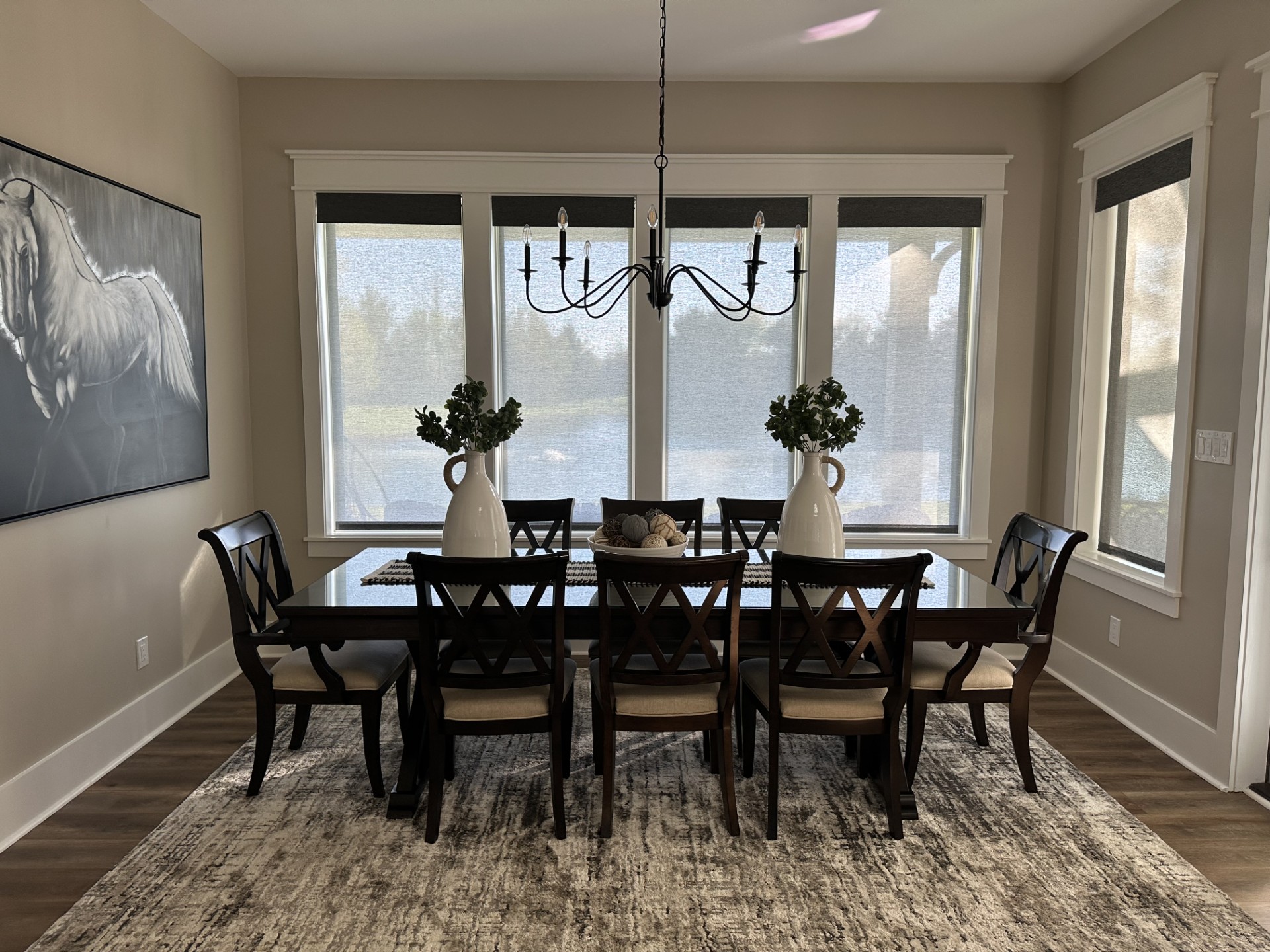
If you have ever found yourself adjusting your window coverings multiple times throughout the day, you’re not alone. Sunlight shifts as the day moves forward, certain rooms start to feel warmer than others, and privacy becomes something you constantly manage. Over time, these small adjustments can feel repetitive, especially in homes with multiple windows. That’s usually when homeowners start asking whether motorized shades are actually worth it.
In Lexington homes, where seasonal changes bring both strong summer sunlight and cooler winter days, managing light and temperature is not just about comfort. It’s about creating a space that feels balanced and easy to live in every day. This is where motorized shades stand out as more than just a modern upgrade. They offer a practical way to simplify everyday living while improving overall comfort.
What Are Motorized Shades?
Motorized shades are window coverings designed to operate automatically. Instead of using cords or manual adjustments, you can control them with a remote, wall switch, or even a smartphone app.
One of the biggest advantages is the ability to schedule movements throughout the day. For example, your shades can open in the morning to let natural light in and close in the afternoon to reduce heat. This level of automation changes how you interact with your home, eliminating the need for constant manual adjustments.
Why Lexington Homeowners Are Considering Motorized Shades
Lexington’s climate plays a major role in how comfortable your home feels indoors. During the summer months, direct sunlight can quickly increase indoor temperatures, especially in rooms with large windows. In the winter, retaining heat becomes equally important.
According to the U.S. Department of Energy, well-designed window coverings can help reduce heat gain and improve energy efficiency. Motorized shades make this process easier by adjusting automatically based on your schedule or preferences. This helps maintain a more stable indoor environment without requiring daily effort.
If you’re exploring smarter upgrades, looking into motorized window shades in Lexington can help you find solutions tailored to your home.
Everyday Convenience That Makes a Real Difference
Convenience is often the first benefit homeowners notice, but it’s not just about saving time. It’s about removing small, repetitive tasks that add up over the day. With motorized shades, you can adjust multiple windows at once without moving from room to room. This is especially helpful in homes with open layouts or multiple living spaces.
They are particularly useful for:
- Tall or hard-to-reach windows
- Rooms with multiple window panels
- Spaces where consistent lighting is important
Instead of constantly adjusting your shades, you can set them once and let them work in the background. This creates a smoother, more comfortable daily routine.
Energy Efficiency Without Extra Effort
Motorized shades support energy efficiency in a simple but effective way. By scheduling them to close during peak sunlight hours, you reduce the amount of heat entering your home. At the same time, allowing natural light in during cooler parts of the day helps maintain balance.
This reduces the workload on your heating and cooling system. Over time, it can contribute to lower energy usage and a more consistent indoor temperature. While the savings may not be immediate, the long-term impact on comfort and efficiency is noticeable for many Lexington homeowners.
A Safer and Cleaner Setup
Traditional window coverings often come with cords, which can pose safety concerns in homes with children or pets. Motorized shades eliminate that issue entirely with their cordless design.
They also create a cleaner and more modern appearance. Without visible cords or uneven adjustments, your windows look more polished and uniform throughout the home. This small design improvement can enhance the overall feel of your space.
When Are Motorized Shades Truly Worth It?
Motorized shades are not necessary for every home, but they can make a significant difference in the right situations.
They are especially worth considering if you have:
- Large or multiple windows
- Hard-to-reach window placements
- A smart home setup
- A focus on energy efficiency
- A need for safer, cordless window coverings
For many homeowners in Lexington, working with local professionals can help you decide whether motorized shades are the right fit for your space and lifestyle.
Understanding the Investment
It’s true that motorized shades cost more upfront than traditional options. That’s often the biggest concern for homeowners. However, it helps to look at them as a long-term upgrade rather than a short-term purchase. You’re investing in convenience, comfort, and efficiency all at once. Over time, the value becomes clearer, especially if you plan to stay in your home for several years.
The Lifestyle Upgrade You Notice Every Day
Some home upgrades feel exciting at first but eventually fade into the background. Motorized shades tend to be different. You notice them every morning when natural light enters your space at the right time. You notice them when your home stays cooler without constant adjustment. And you notice how easy it is to manage everything without effort. It’s a subtle upgrade, but it improves your daily routine in a meaningful way.
Final Thoughts
So, are motorized shades worth it for Lexington homeowners? In many cases, they are. They offer a balance of convenience, energy efficiency, safety, and modern functionality that traditional window coverings cannot match. While the upfront cost may seem higher, the everyday ease and long-term benefits often make them a smart investment.
If you are ready to upgrade your home with smarter window solutions, now is a great time to explore options with Miller’s Window Works, designed specifically for Lexington homes.